Role: Creative Director, (Independent engagement, 2024
Overview: Most illustration work for security startups looks borrowed. Dark backgrounds, shields, lock icons, abstract network nodes — the same visual language recycled across the category until nothing distinguishes one company from the next.
Linx Security had a different instinct. Their brand referenced growth and nature: ladybugs, dandelion seeds, botanical imagery. The visual idea was there. What was missing was a system.
The brief was to audit the existing brand expression, identify what wasn't working, and build a governing illustration framework that could scale across the full website and eventually into product surfaces. The output needed to be specific enough to be actionable and modular enough for a lean team to use without a designer in the room every time.
Linx Security had a different instinct. Their brand referenced growth and nature: ladybugs, dandelion seeds, botanical imagery. The visual idea was there. What was missing was a system.
The brief was to audit the existing brand expression, identify what wasn't working, and build a governing illustration framework that could scale across the full website and eventually into product surfaces. The output needed to be specific enough to be actionable and modular enough for a lean team to use without a designer in the room every time.
The Diagnosis
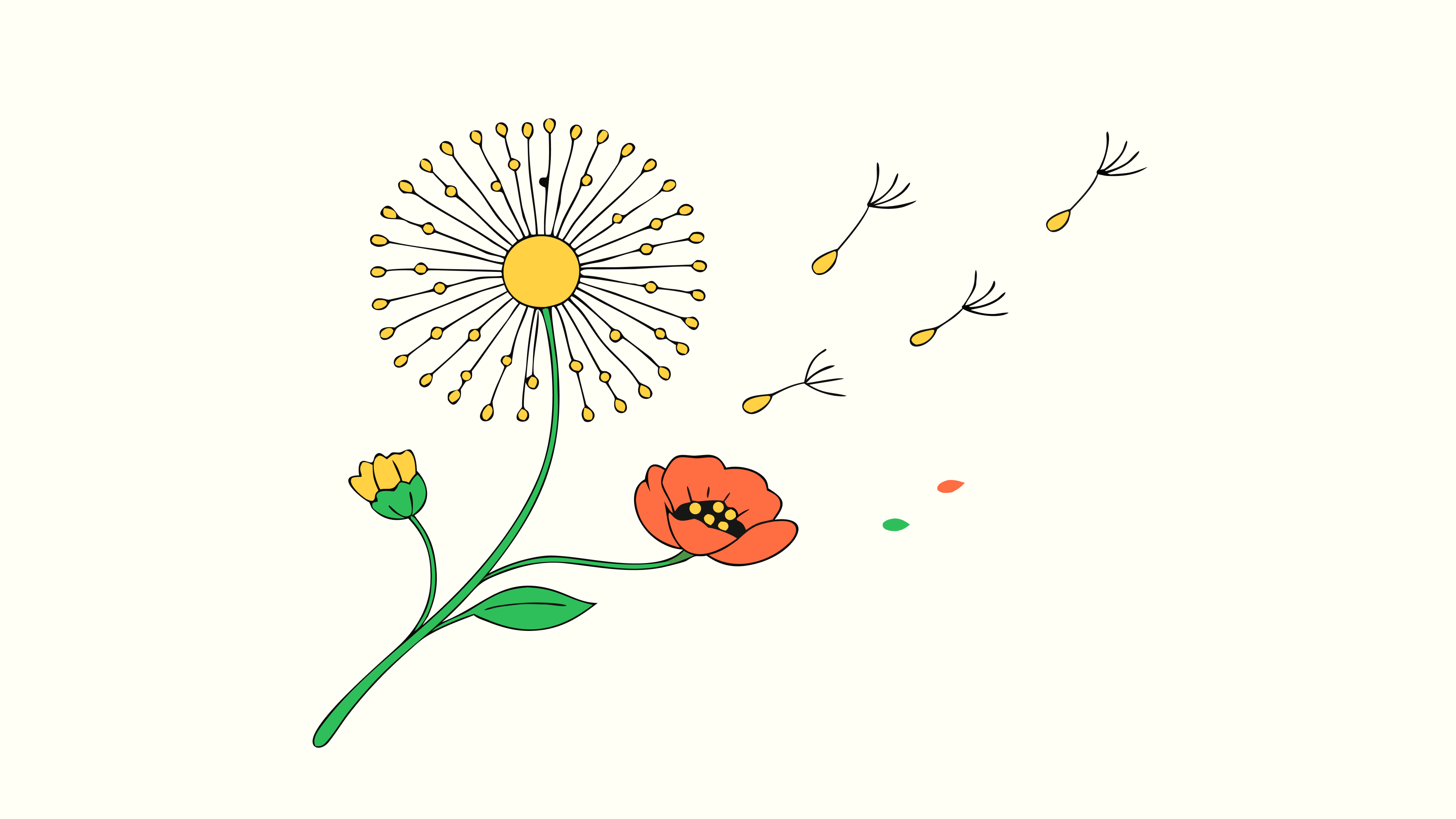
The audit surfaced a consistent pattern: the hero section had genuine character. Rich, considered, distinctive. Then almost immediately after, the brand went generic. Feature cards fell back on flat icons. CTA sections had no visual personality. Long-form pages felt disconnected from the top of the funnel. The issue wasn't craft. It was hierarchy. There was no framework telling the team which type of illustration belonged in which context, how elements should relate to each other, or where the brand's visual language ended and generic stock began. The fix wasn't more illustrations. It was a system that made the right decision automatic.

The System: Four Levels of Visual Complexity
The framework organized the entire Linx visual universe into four levels. Each level has a defined role, a target context, and a complexity ceiling. Nothing is interchangeable across levels.

Level 1 — Base Elements: The foundational vocabulary. Individual botanical motifs — seeds, stems, petal shapes, spore clusters — used as texture and background detail. These elements don't carry narrative weight on their own. They establish atmosphere and brand presence at low visual cost. Used in page backgrounds, subtle section breaks, and decorative framing.
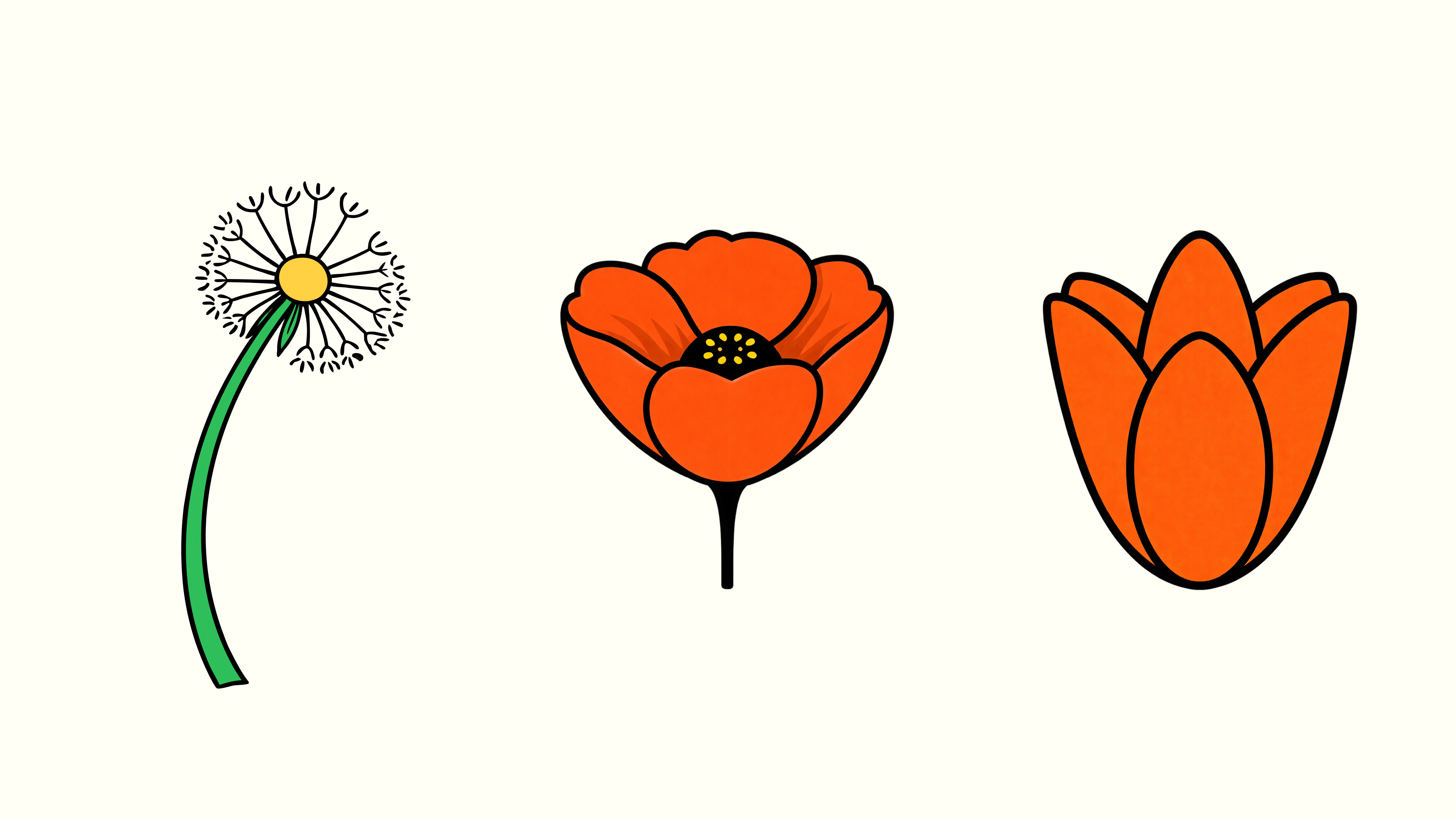


Level 2 — Highlighting and Accent Elements: A step up in specificity. Singular objects with more character: a ladybug, a dandelion head, a pinwheel, a dragonfly. These function as visual punctuation. Used in feature callouts, pull quotes, icon pairings, and anywhere a small moment of brand personality lifts the page without competing with the content.



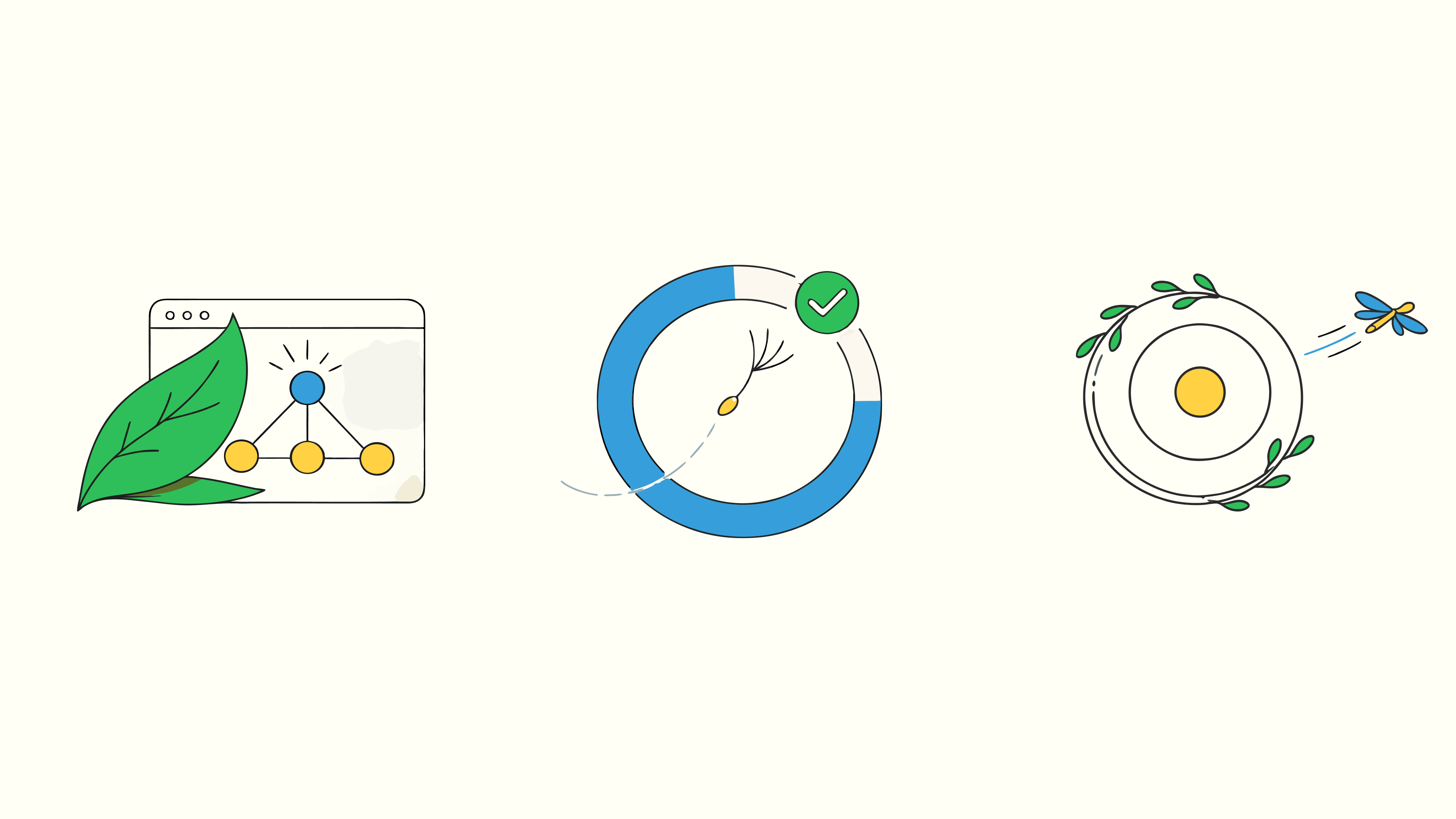
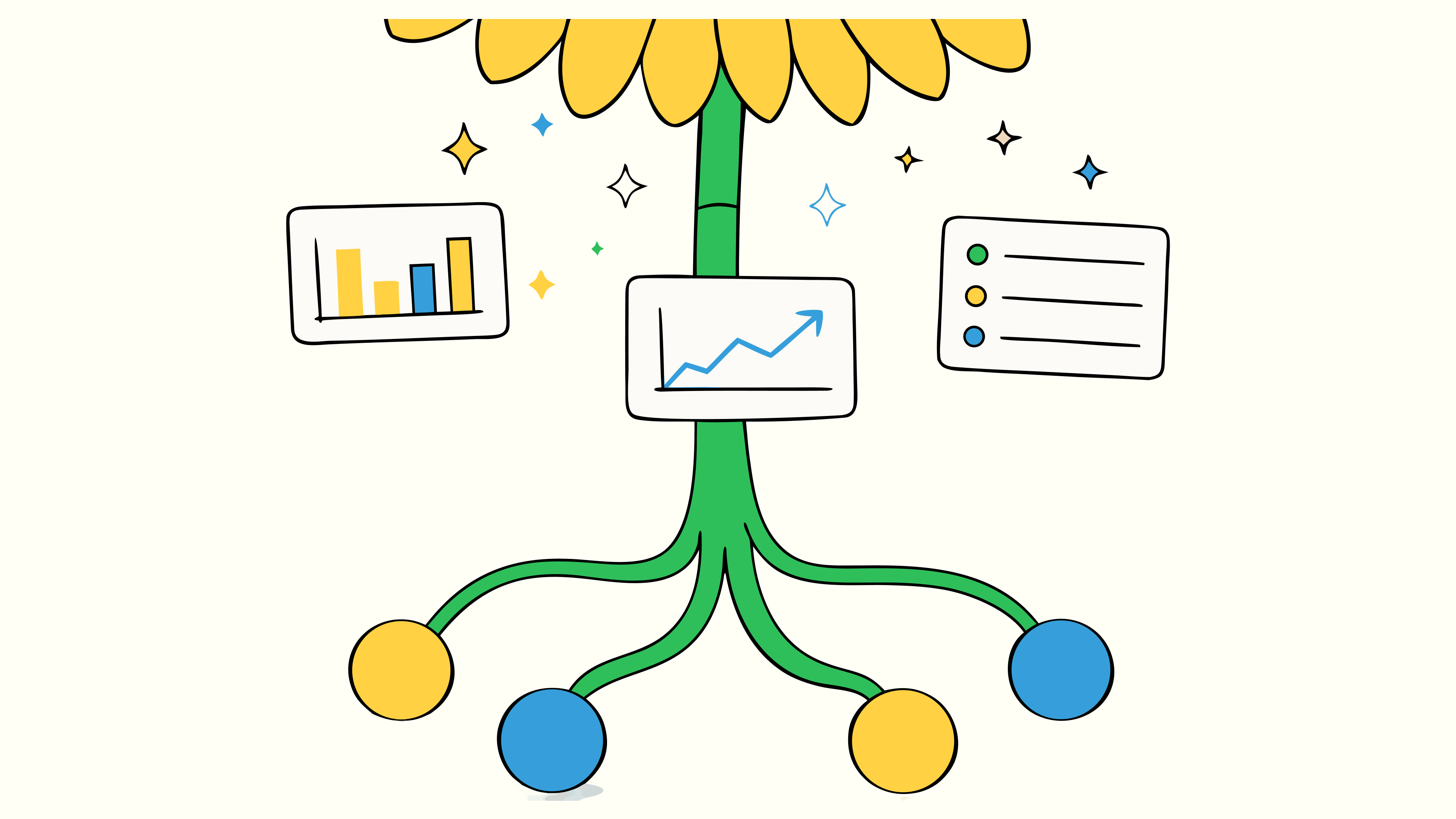
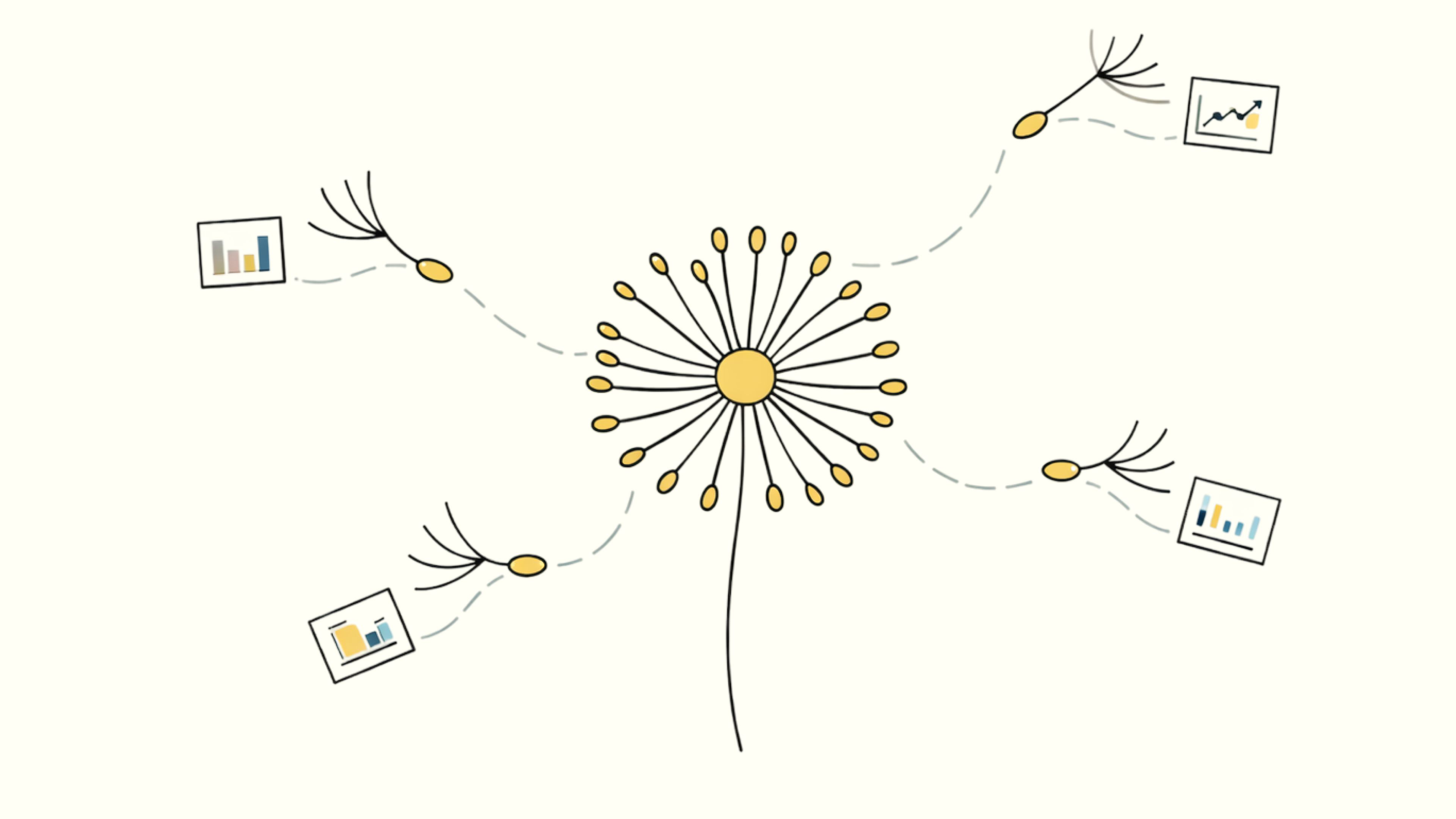
Level 3 — Objects and Spot Illustrations: Self-contained compositions with narrative intent. A ladybug on a leaf. A dandelion seed mid-flight. These tell a small story and anchor sections that need more presence — feature cards, solution overviews, testimonial blocks, mid-page CTAs. They are complete illustrations, not accents.

Level 4 — Hero and Scene Illustrations: Full-scene compositions designed for primary visual real estate. Complex, layered, rich in detail. A botanical ecosystem with multiple species and spatial depth. These live at the top of the homepage, on major landing pages, and as the opening visual for long-form content. They are the brand's most expensive and most visible expression.


The Workflow: Custom GPT for Asset Generation
The system was built not just as a visual framework but as a production system. A custom GPT — Linx Brand Illustrator — was trained on the full visual language: the botanical species, color relationships, linework style, and complexity rules defined by the four levels.
The workflow: generate isolated botanical elements through iterative prompting, clean edges and resolve geometry in Figma and Adobe Illustrator, composite into final illustrations. The GPT handles elements it can produce consistently (stems, petals, seeds, basic organic shapes). Figma handles final cleanup and composition for elements that require precise geometry — sunflower petal arrangements, dandelion head line weight, structural accuracy in detail work.
The result was approximately 20 illustration concepts developed across all four levels, covering every major section of the Linx homepage. The custom GPT remains a production asset that any designer can use to extend the system without rebuilding the language from scratch each time.
Tools: Figma, custom GPT with DALL-E image generation, Adobe Illustrator, Midjourney (style exploration)
The workflow: generate isolated botanical elements through iterative prompting, clean edges and resolve geometry in Figma and Adobe Illustrator, composite into final illustrations. The GPT handles elements it can produce consistently (stems, petals, seeds, basic organic shapes). Figma handles final cleanup and composition for elements that require precise geometry — sunflower petal arrangements, dandelion head line weight, structural accuracy in detail work.
The result was approximately 20 illustration concepts developed across all four levels, covering every major section of the Linx homepage. The custom GPT remains a production asset that any designer can use to extend the system without rebuilding the language from scratch each time.
Tools: Figma, custom GPT with DALL-E image generation, Adobe Illustrator, Midjourney (style exploration)
What the System Unlocks
The four-level framework doesn't just describe the illustrations that exist. It makes every future illustration decision obvious.
A designer adding a new feature card doesn't have to wonder what visual treatment is appropriate . A developer building an empty state doesn't need a brief. A campaign team adding a hero to a new landing page knows the standard.
A designer adding a new feature card doesn't have to wonder what visual treatment is appropriate . A developer building an empty state doesn't need a brief. A campaign team adding a hero to a new landing page knows the standard.
The system also maps naturally to product surfaces. Empty states, onboarding flows, alert states, and loading transitions all have natural homes within the four levels. The same botanical universe, the same visual logic, applied to functional UI moments rather than marketing surfaces.
Results
Delivered a complete four-level illustration system, a custom GPT trained on the brand, approximately 20 illustration concepts across all four levels, and a brand audit that identified where the existing homepage diverged from the intended character.


